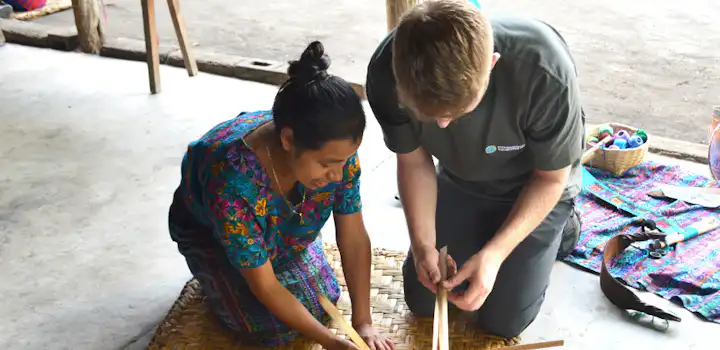
Peru has become one of the most accessible destinations for meaningful travel, and Peru Volunteer Programs offer affordable international opportunities for individuals who want to contribute to communities while exploring a culturally rich country. From the Andes mountains to the Amazon rainforest, Peru provides a diverse environment where volunteers can participate in education, healthcare, environmental conservation, and community development projects. These programs are designed to be budget-friendly, making it easier for students, travelers, and gap-year participants to engage in impactful experiences without high financial barriers.
Why Choose Affordable Volunteering in Peru?
Why is Peru considered an ideal destination for affordable volunteering? One of the main reasons is the relatively low cost of living, which makes program fees and daily expenses more manageable compared to many other international destinations. Volunteers can often find programs that include accommodation and meals, helping reduce overall costs. In addition, Peru’s strong community-based culture welcomes international volunteers, making integration into local life easier. This combination of affordability and meaningful engagement makes Peru a top choice for those seeking value-driven travel experiences.
What Types of Volunteer Opportunities Are Available?
What opportunities can volunteers explore in Peru? Programs are diverse and tailored to different interests and skill levels. Education-based volunteering is one of the most common, where participants assist in teaching English, supporting after-school learning, or helping in early childhood centers. Community development projects focus on improving living conditions, supporting local initiatives, and empowering families in rural and urban areas. Environmental programs are also widely available, particularly in regions like the Amazon, where volunteers participate in reforestation, wildlife protection, and sustainability efforts. Healthcare awareness projects may involve basic health education and outreach in underserved communities.
How Do Affordable Programs Benefit Volunteers and Communities?
How do these programs create mutual benefits? Affordable volunteer programs allow more people to participate, increasing the number of individuals contributing to community development efforts. Local communities benefit from additional support in education, infrastructure, and environmental conservation. At the same time, volunteers gain valuable life experiences, cultural exposure, and practical skills. The affordability of these programs ensures that impact is not limited to a small group of travelers but is accessible to a wider audience, making global volunteering more inclusive and sustainable.
What Makes Peru Unique for Volunteer Experiences?
What sets Peru apart from other destinations? The country’s cultural diversity and geographical variety make it especially unique. Volunteers may work in high-altitude Andean villages, coastal towns, or deep within rainforest regions, each offering distinct cultural and environmental experiences. Peru also has a strong historical identity rooted in indigenous traditions and ancient civilizations, providing volunteers with a rich cultural backdrop. This combination of heritage and natural beauty enhances the overall volunteering experience, making it both educational and inspiring.
What Skills Are Required to Join These Programs?
What qualifications are needed for participation? Most Peru volunteer programs are designed to be accessible, meaning advanced qualifications are not usually required. The most important requirements are enthusiasm, adaptability, and respect for local customs. Basic Spanish communication skills can be helpful but are not always mandatory, as many programs provide language support or bilingual coordinators. Some specialized roles, such as healthcare or technical projects, may require prior experience. However, general volunteer positions are open to a wide range of participants, including students and first-time travelers.
How Can Volunteers Prepare for Their Journey?
How should participants prepare for volunteering in Peru? Preparation begins with understanding the cultural and environmental conditions of the country. Learning basic Spanish phrases can significantly improve communication and help build stronger relationships with local communities. Packing should be practical, with clothing suitable for varying climates, as Peru includes both cold highlands and humid tropical regions. Volunteers should also prepare mentally for cultural differences and flexible living conditions. Being open-minded and patient is essential for a successful and rewarding experience.
Why Is Cultural Exchange an Important Part of Volunteering?
Why does cultural exchange matter in Peru volunteer programs? Cultural exchange allows both volunteers and local communities to learn from each other. Volunteers gain insight into Peruvian traditions, daily life, and values, while local communities are exposed to new perspectives and global awareness. This mutual exchange fosters understanding, respect, and long-term connections. Many volunteers return home with a deeper appreciation for cultural diversity and a stronger sense of global responsibility, making the experience far more meaningful than traditional travel.