

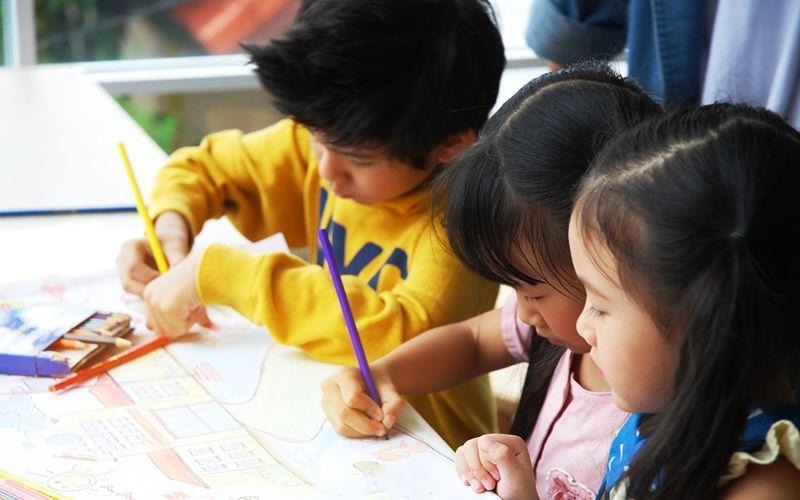
Relocating to Singapore often brings a major question for expat families: where should their children study? With several well-established schooling options available, parents usually compare an international school with a private primary school in Singapore. Both choices offer distinct advantages depending on family priorities, length of stay, and educational goals. Understanding how private primary schools operate alongside international schools helps parents decide which environment best supports their child’s development.
Private Primary Schools and International Schools: The Differences
A private primary school in Singapore typically follows a structured curriculum influenced by local education standards while remaining open to international students. These schools focus on academic foundations, classroom routines, and steady progression. Teachers often provide close guidance, which helps children adapt quickly, especially during the early years of schooling.
International schools, on the other hand, offer globally recognised curricula such as the IB or British systems. These programmes suit families who expect frequent relocations or wish to maintain continuity with an overseas education framework. For expat families planning an extensive stay in Singapore, a private primary school can serve as an alternative that blends academic structure with local context. Both options support learning effectively, with the choice depending largely on long-term plans and personal preference.
Curriculum Structure and Classroom Experience
Private primary schools place strong emphasis on literacy, numeracy, and classroom discipline. Lessons usually follow a clear structure with defined objectives and regular assessments. This approach helps children build confidence through consistency and measurable progress. Teachers actively engage students through discussion, guided activities, and collaborative work, creating an environment that supports steady academic development.
International schools also offer structured learning, often with broader subject exposure from an early stage. Their curricula encourage inquiry-based learning and global perspectives. A private primary school in Singapore differs mainly in pacing and academic focus rather than quality. For expat parents who prefer a more guided approach during primary years, this structure can feel reassuring while still providing a supportive learning experience.
Cultural Exposure and School Community
Cultural exposure remains a crucial factor for expat families. A private primary school in Singapore often brings together local and international students, allowing children to interact across cultures in a daily classroom setting. This interaction supports social adaptation and helps children understand Singapore’s multicultural society through shared experiences.
International schools also offer rich cultural diversity, often with students from many nationalities. Private schools differ in that they provide a closer connection to local customs and education norms. Schools such as St. Francis Methodist School reflect this balance by welcoming students from various backgrounds while maintaining a structured and inclusive environment. For families seeking both cultural exposure and local familiarity, this setting can be well-rounded.
Choosing the Right Environment for Your Child
Every child responds differently to learning environments. Some thrive in the global outlook and flexibility of an international school, while others benefit from the structure and academic focus of a private primary school. Parents should consider their child’s learning style, adaptability, and plans when evaluating options. School visits, curriculum reviews, and conversations with educators can provide beneficial insight.
A private primary school in Singapore offers a structured yet inclusive option for expat families who value consistency, academic clarity, and cultural integration. While international schools remain a strong and respected choice, private schools offer an alternative that suits families looking for stability and local engagement during their time in Singapore.
Conclusion
A private primary school in Singapore can be suitable for expat families who value academic structure, cultural exposure, and long-term continuity. International schools continue to offer global curricula and flexibility for mobile families, while private schools provide a locally grounded learning environment. Understanding the strengths of both options allows parents to make informed choices that align with their child’s needs and plans.
Looking for a structured and inclusive primary education option? Contact St. Francis Methodist School to discover how to support your child’s learning journey in Singapore.