

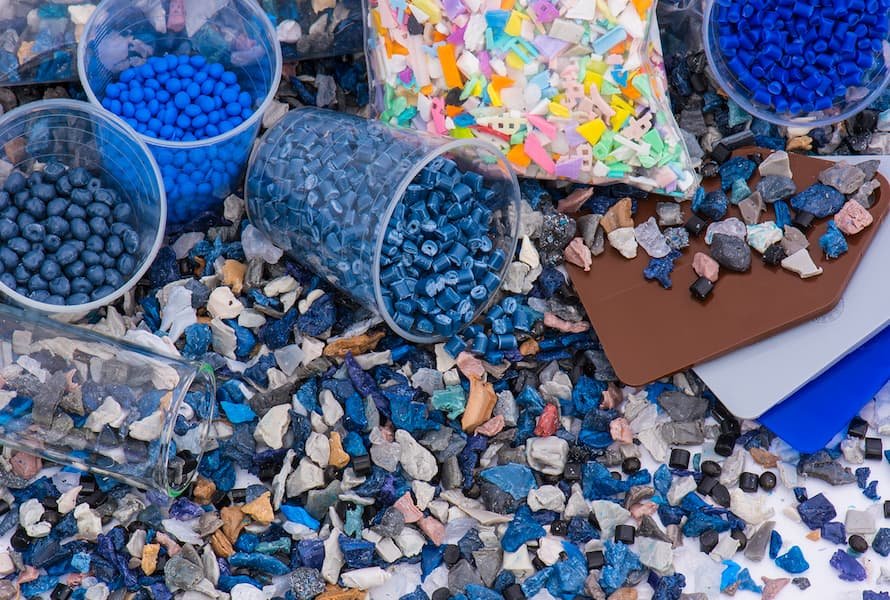
Global demand for Rubbercontinues to rise across automotive, manufacturing, and infrastructure sectors. At the same time, environmental data shows that millions of tons of rubber waste are generated annually, creating serious disposal challenges. Recycling and structured trading solutions have emerged as essential tools to reduce landfill pressure and support circular economy goals. Statistical reports indicate that recycled rubber usage can lower raw material consumption by up to 30%, making it an increasingly attractive option for global markets.
How Does Rubber Trading Support Sustainable Supply Chains?
Efficient rubber trading systems help balance supply and demand across regions. Market analysis shows that organized trading platforms reduce material shortages and price volatility by improving transparency. By connecting buyers and sellers globally, rubber trading enables consistent access to raw and recycled materials. This approach supports manufacturers in maintaining steady production while reducing dependency on virgin rubber sources.
What Types of Rubber Materials Are Commonly Recycled?
Recycling data highlights that tires account for nearly 70% of rubber waste worldwide. Other recyclable materials include industrial scrap, conveyor belts, seals, and molded components. These materials are processed into crumb rubber, granules, or reclaimed rubber sheets. Statistics indicate that reclaimed rubber products can retain up to 90% of functional performance, making them suitable for multiple industrial applications.
Why Is Quality Control Critical in Rubber Recycling?
Quality consistency is a key performance indicator in recycled rubber markets. Studies show that buyers prioritize material specifications, contamination levels, and processing standards. Advanced sorting and testing methods help ensure that recycled rubber meets global quality benchmarks. Reliable quality control improves buyer confidence and strengthens long-term trading relationships across international markets.
How Does Recycling Impact Cost Efficiency for Businesses?
Cost analysis reveals that recycled rubber can reduce material expenses by 15–25% compared to virgin alternatives. These savings become significant for large-scale manufacturers and construction projects. Recycling solutions also help businesses manage waste disposal costs and comply with environmental regulations, further improving overall operational efficiency.
What Role Do Data and Transparency Play in Global Rubber Trade?
Transparent data exchange enhances trust and decision-making in rubber trading. Market statistics, pricing trends, and volume tracking allow buyers and sellers to negotiate fairly and plan strategically. Platforms that prioritize data accuracy help reduce disputes and improve transaction efficiency, leading to more stable global trade flows.
How Can Global Markets Benefit from Integrated Recycling Solutions?
Integrated rubber trading and recycling solutions align economic and environmental objectives. Research indicates that companies adopting circular supply models achieve stronger long-term resilience. By combining responsible sourcing, recycling, and efficient trade networks, global markets can support sustainable growth while meeting rising material demands.